

Engraving products
Ken Bond supplies engraved plates, markers and identification pieces for daily use in offices, schools, hospitality and industrial sites. We make practical items for labelling, room marking, equipment ID and small permanent notices, with supply from Durban across KwaZulu-Natal and South Africa.
What engraved products are used for
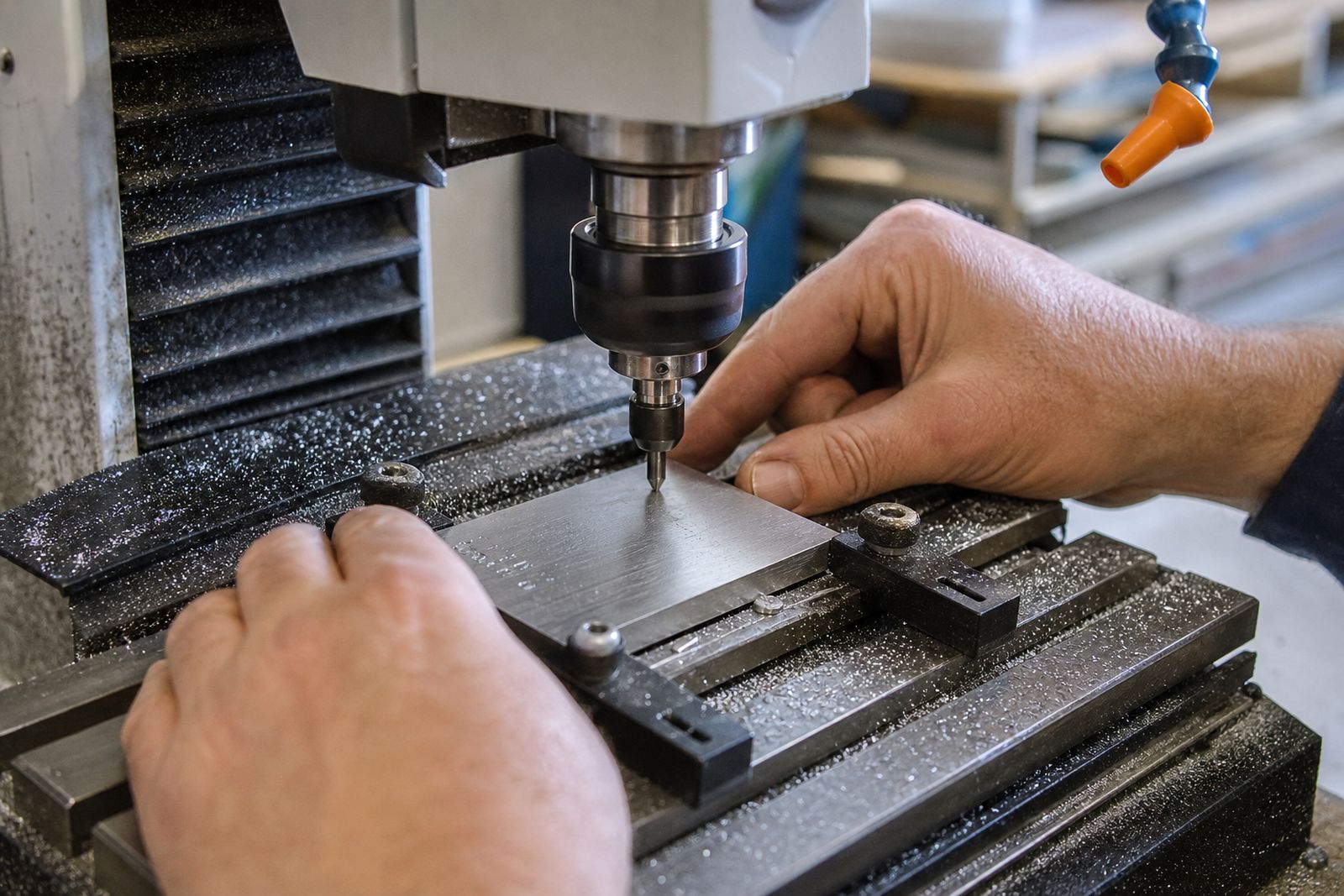
Engraving products are small to medium identification items made to carry fixed information that must stay legible over time. They are commonly used for room names, asset identification, control labels, memorial or donor plates, switch markers, machine labels, rack numbers and general site marking. Where a printed label can peel or fade, an engraved piece gives a cleaner permanent result for daily handling and regular cleaning.
Most work is custom made to order. We cut and engrave plates and markers to suit the wording, numbering or layout required, whether you need one-off replacements or a full site batch. This suits organisations that need consistent naming across several areas, like a school campus, hotel passages, office floors or a workshop with multiple panels and storerooms.
- Equipment and asset ID plates
- Room labels and door name inserts
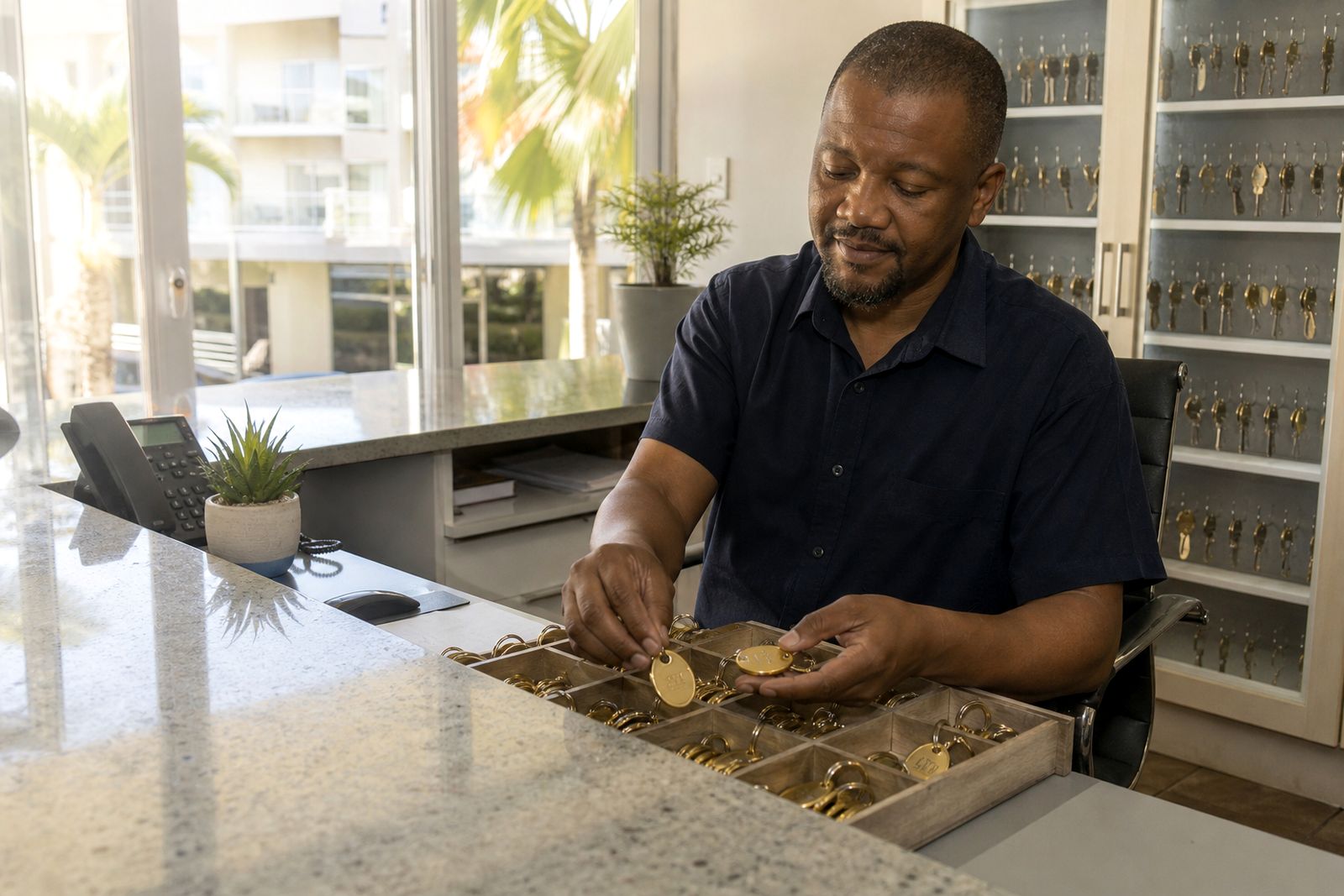
- Numbered markers for keys, lockers and bays
- Warning and instruction plates
- Small plaques and commemorative plates
- Control panel and distribution board labels
Materials, sizes and working limits
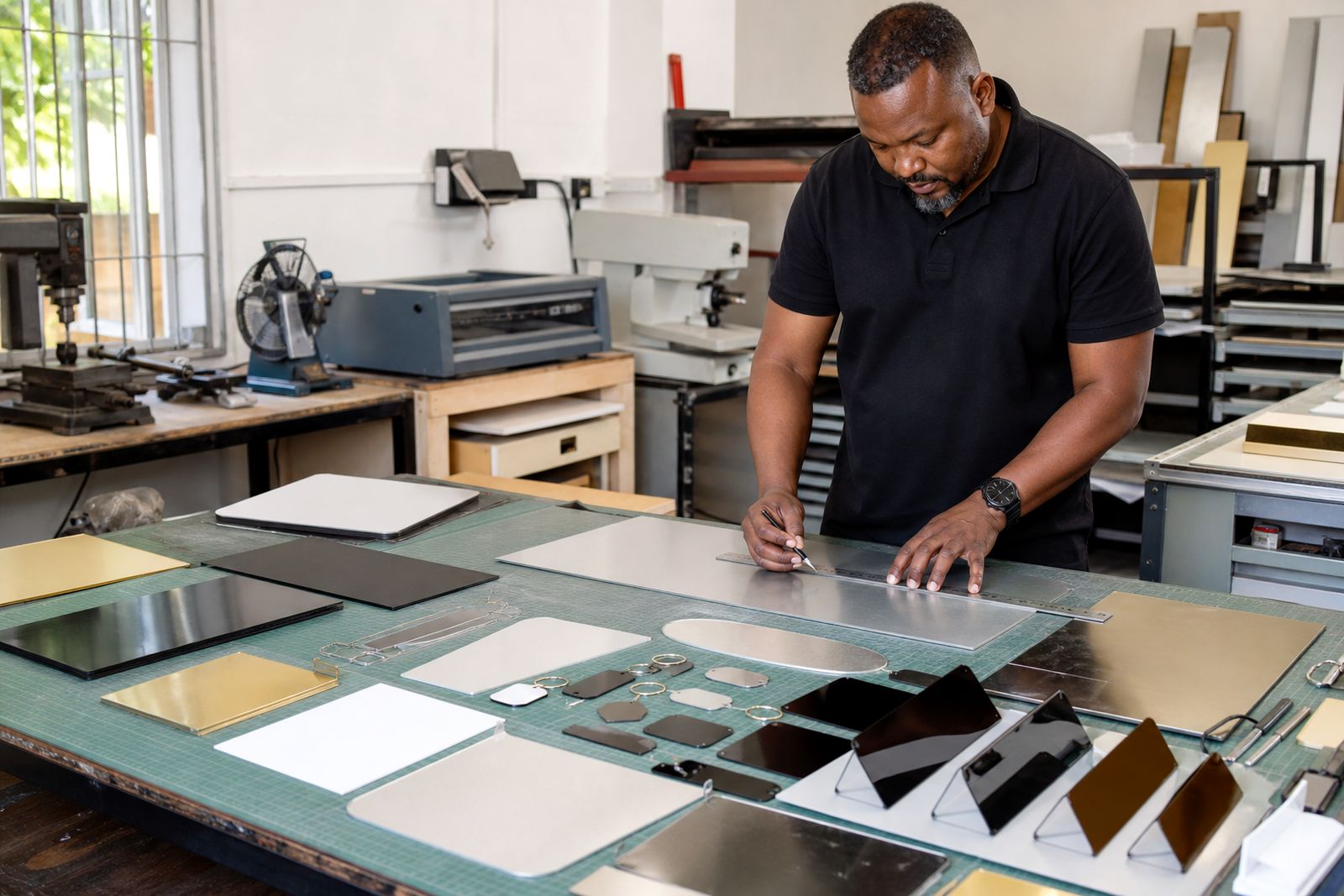
Engraved products are available in common engraving laminates and other rigid sheet materials suited to indoor use, with selected options for tougher areas. The right choice depends on exposure, handling and how much information must fit on the plate. For offices and schools, lighter indoor material is often enough. For plant rooms, service corridors and factory floors, a harder wearing option is usually better.
Typical sizes start from small markers around 25 x 50 mm and go up to larger identification plates around 300 x 200 mm. Larger pieces are possible depending on layout and thickness, but they need more planning for fixing and alignment. Fine text must be kept within sensible limits. If the copy is too long for the plate size, the result may be hard to read from normal standing distance. We can advise on a workable size before production.
- Small tags and markers for numbering and short names
- Medium plates for room names, instructions and equipment labels
- Larger plates for directories, notice panels and grouped information
- Square, rectangular and selected shaped formats
- Single line, multi-line and numbered sequence layouts
Very small engraved text is not suitable where people must read it quickly from a passage or counter. In damp coastal conditions around Durban, material choice also matters. Some jobs need a more moisture-tolerant option, especially near entrances, covered outdoor areas or wash-down zones.
Where engraved products suit and where they do not
Engraved items work well where the information stays fairly constant and the plate must look neat for a long period. They are a good fit for hotels, schools, banks, churches, restaurants, offices and industrial premises where there is repeat cleaning and daily contact. They also suit internal directional systems where matching door names, room numbers and service labels need to be kept consistent.
They are less suitable for short-term campaigns, frequently changing promotions or temporary notices. If wording changes every week, a reusable sign system or printed insert may be more practical. For very large external signs viewed from far away, engraving is usually not the first choice either, as readability depends on size and contrast.
- Best for fixed room names, numbers and equipment ID
- Useful for switch labels, panel legends and stock location markers
- Suitable for schools, hospitality sites, offices and factories
- Not ideal for temporary messaging or constantly revised information
- Not the usual choice for long-distance exterior sign faces
Where there is direct weather, strong sun, chemicals or heavy abrasion, tell us that upfront. Some installations need a tougher material or a different fixing method, and sometimes another product line is the better answer.
Fixing methods and site requirements
Installation depends on the surface and on whether the item may ever need to be removed. Small engraved pieces are commonly supplied with adhesive backing for smooth painted walls, glass, sealed timber, laminated boards and clean metal surfaces. Screw fixing is better for rough walls, exterior gates, service areas, utility rooms and places where heat or moisture can affect adhesive performance.
For best results, the mounting surface should be clean, dry and reasonably level. Freshly painted walls should be fully cured before any adhesive item is applied. In sites affected by power cuts, security lighting and emergency routing should be considered when planning door numbers and wayfinding labels, so that staff can still identify rooms and control points in dim conditions.
- Adhesive fixing for smooth indoor surfaces
- Drilled holes for screw fixing where needed
- Corner holes or top and bottom fixing positions
- Numbering sets packed in sequence if required
- Layout matching with other signs on site
If you are ordering for a larger property, it helps to group items by building, floor or block. That avoids mix-ups on delivery and makes installation easier on site.
Care, cleaning and service life
Engraved products are straightforward to maintain. Wipe with a soft damp cloth and a mild cleaner. Avoid harsh solvents, abrasive pads and strong scraping tools, especially on polished or high-contrast faces. In hospitality and healthcare-adjacent settings, routine cleaning is fine, but the material should still be chosen with the cleaning regime in mind.
Indoor engraved pieces usually give long service if they are fitted correctly and not exposed to unnecessary impact. In coastal KwaZulu-Natal conditions, salt in the air and humidity can shorten the life of unsuitable materials or adhesives, so the location should be mentioned when you enquire. A plant room in Durban North is not the same as a dry admin office inland, and that small detail matters.
If one plate in a numbered run is damaged later, replacements can usually be made to match the original format provided the size, wording style and fixing method are known.
What to send with your enquiry
To quote and produce accurately, we need the practical details rather than only the item name. Send the wording, numbering range, intended use, approximate size and where the item will be fitted. If it is part of a wider signage or badge order, say so, as we can often keep the naming format consistent across products.
Please use the enquiry form on our contact page and include as much of the following as you can. A clear list at the start saves time and helps prevent errors, especailly on multi-item jobs.
- Quantity needed, including any future repeat requirement
- Exact text, numbering or room names
- Preferred size in mm, or the space available
- Material preference if known
- Fixing method needed, adhesive or screw fixed
- Indoor or exterior location
- Any exposure to moisture, heat, cleaning chemicals or abrasion
- Whether items must match existing signs, plaques or tags
If you have a schedule or room list, attach that wording in a clear typed format. For replacement pieces, a photo with a ruler next to the existing item is often enough to confirm size and layout.
What our badge and sign customers say
Verified Google reviews
Questions we get asked
Can you make one replacement plate or only full batches?
Yes, single replacements can usually be made if you can provide the wording, size and a photo of the original item.
Are engraved products suitable for outdoor use?
Some are, but not every material suits direct weather. Tell us where the item will be installed and we will advise on a suitable option.
What is the best fixing method for a humid area?
For damp or hard-use areas, screw fixing is often the safer choice. Smooth indoor surfaces may still be fine for adhesive if the surface is clean and stable.
Also worth a look
Ask for a quote
Send a note through the contact form with the items you need, the finish or material you prefer and your town, and Ken Bond will reply with a quote.
Open the contact form