

Guides
These guides help you choose practical identification and display items before you place an order. They cover common uses, material choices and the details that make production and fitting easier.
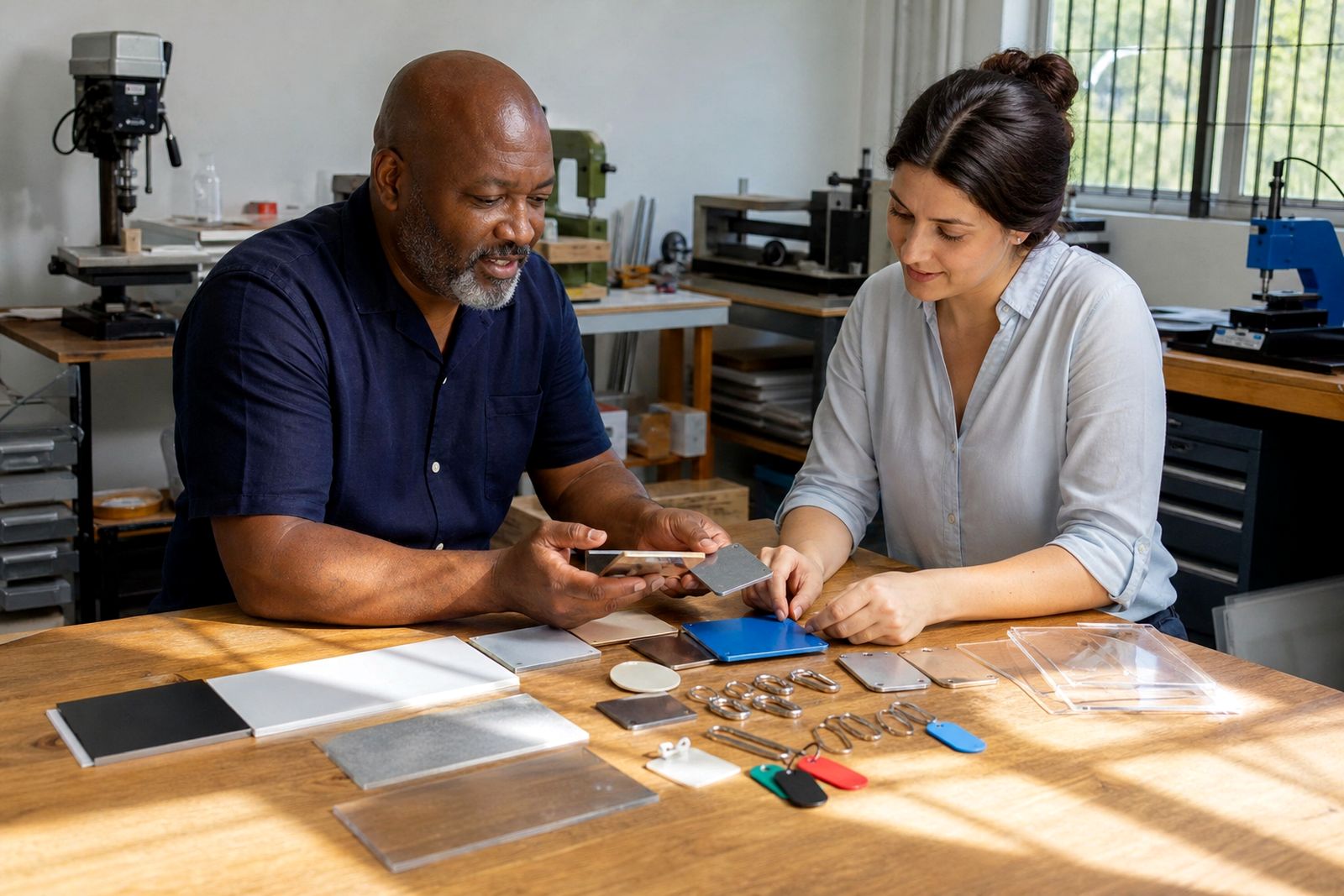
What You Will Find In These Guides
This section brings together straightforward advice for organisations ordering custom badges, tags, plaques, signs, stickers and engraved items. The aim is to help you decide what to order, what information to supply, and which format suits the job best. Whether you are fitting out a school office in Durban, replacing room markers at a lodge on the North Coast, or preparing staff badges for a church event in Pietermaritzburg, a little planning saves time.
The guides cover material choices, naming layouts, numbering systems, fixing methods and typical use cases. They are useful for once-off orders and for ongoing supply where items need to match an existing set. If you manage multiple rooms, keys, departments or staff roles, consistency matters quite a lot.
Choose The Item By Its Everyday Use
The best starting point is not colour or finish, but where the item will be used and who will handle it. A badge worn every day in hospitality has different needs from a door name plate in an office corridor. Likewise, a key tag for maintenance staff is not the same as a presentation plaque for a reception area.
- Name badges: staff identification for schools, churches, offices, hotels, banks, restaurants and factory teams.
- Key tags and keyrings: numbered or named identification for rooms, cupboards, gates, vehicles and plant keys.
- Plaques: permanent display items for entrances, commemorative use, donor boards or internal directional marking.
- Door numbers and names: room identification for schools, clinics, guest accommodation and office blocks.
- Table numbers and counter signs: front-of-house service, queue points, reserved areas and function setups.
- Electrical contractor signs and other practical signs: site identification, warning notices and compliance-related marking where required.
- Stickers: short-run or repeat labels for assets, instructions, stock areas or temporary campaigns.
If an item will be cleaned often, handled by many people, or exposed to heat and coastal air, say so early in the enquiry. That affects the recommended material and fixing method.
A Practical Comparison Before You Order
Many enquiries come down to a choice between two or three similar products. This quick comparison can help narrow it down.
- Badge or sticker: choose a badge when the item must be removable and worn on clothing; choose a sticker when it will stay on a surface.
- Plaque or folded sign: choose a plaque for wall mounting and longer-term display; choose a folded counter or table sign when the item must stand on its own.
- Door number or table number: choose door numbers for fixed room identification; choose table numbers where the item may be moved, stored or re-used.
- Engraved tag or printed tag: engraved tags suit heavy handling and repeated use; printed tags may suit short-term or lighter-duty applications.
- Pin, magnet or clip badge fitting: pins are common and secure, magnets avoid garment holes, clips suit some uniforms and visitor use.
There is no single best option for every site. A school admin block, a beachfront hotel and a workshop floor all need slightly different thinking, even when the wording looks similar.
Information That Helps Production Go Smoothly
Clear order information reduces remakes and delays. For badges, send the exact names, job titles if needed, and whether all items must match one style. For room signs and door markers, list each room exactly as it should read. For numbered sets such as keys or tables, send the full sequence so gaps are not missed.
It also helps to state quantity, approximate size, preferred colours, and whether you need holes, adhesive backing or another fixing method. If the items must match existing stock, mention that in the first message and include a photo if possible. Our workshop can usually advise on practical adjustments, but it is better to catch spacing, abbreviations and capital letters before cutting starts.
For larger sites, group the list by building or floor. That makes checking easier and avoids mix-ups later on.
Materials And Fixing Methods Matter
Durban and wider KwaZulu-Natal bring their own conditions. Coastal humidity, regular cleaning and strong sunlight can all affect how long an item stays neat and readable. Indoor reception signage can use a different finish from workshop tags or outdoor warning signs, so the guide pages in this section explain where each option tends to work best.
- Indoor office use: neat finishes, clear lettering and tidy mounting often matter most.
- Hospitality and front-of-house: appearance and easy daily wear are important, especially for badges and table numbers.
- Industrial areas: durability, legibility and secure fixing usually come first.
- Schools and churches: practical handling, repeat orders and simple numbering systems are often the priority.
- Power cuts and backup lighting: high contrast wording can help signs remain easier to read in dim conditions.
If a sign will be near the coast or in a damp service area, mention that when you enquire. A small change in material choice can make a noticeable difference over time.
Use These Guides To Prepare A Better Enquiry
You do not need to know every technical detail before getting in touch. These guides are here to help you ask the right questions and send the right information. Once you have read the relevant page, you can use the enquiry form on the contact page to tell us what you need, where it will be used and whether you want a once-off batch or repeat supply.
If you are unsure where to start, begin with the guide on choosing badge materials, planning room and door marking, or ordering key tags and table numbers. Those pages answer many of the common questions we see from hotels, schools, offices and industrial sites across South Africa. A short clear brief usually gets the best result, even for a mixed order with several item types.
Explore the range
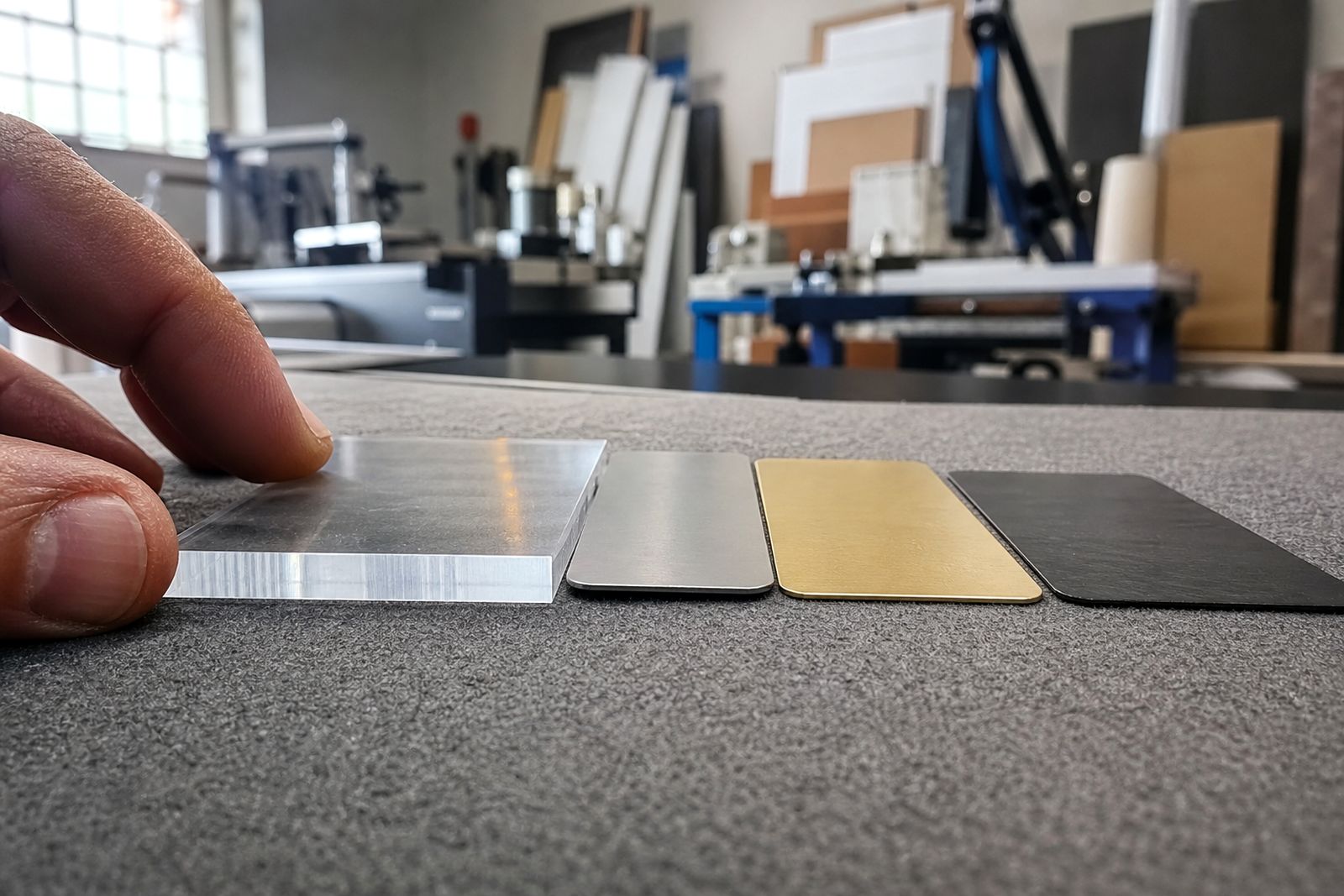
Choosing badge materials
Compare badge materials, finishes and fittings before placing your next badge order.
Read more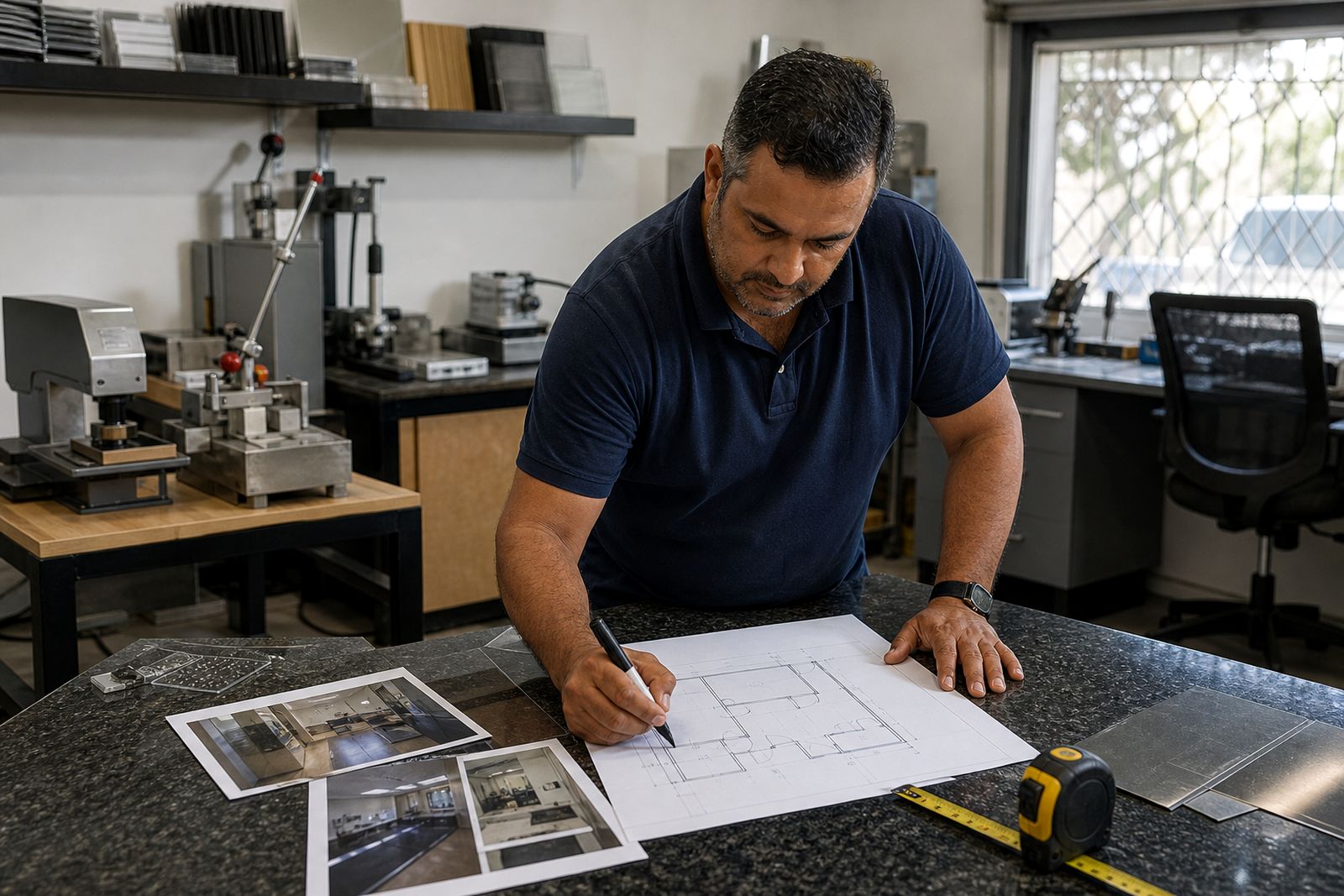
Planning room and door marking
A practical guide to numbering, naming and specifying door signs for busy sites.
Read more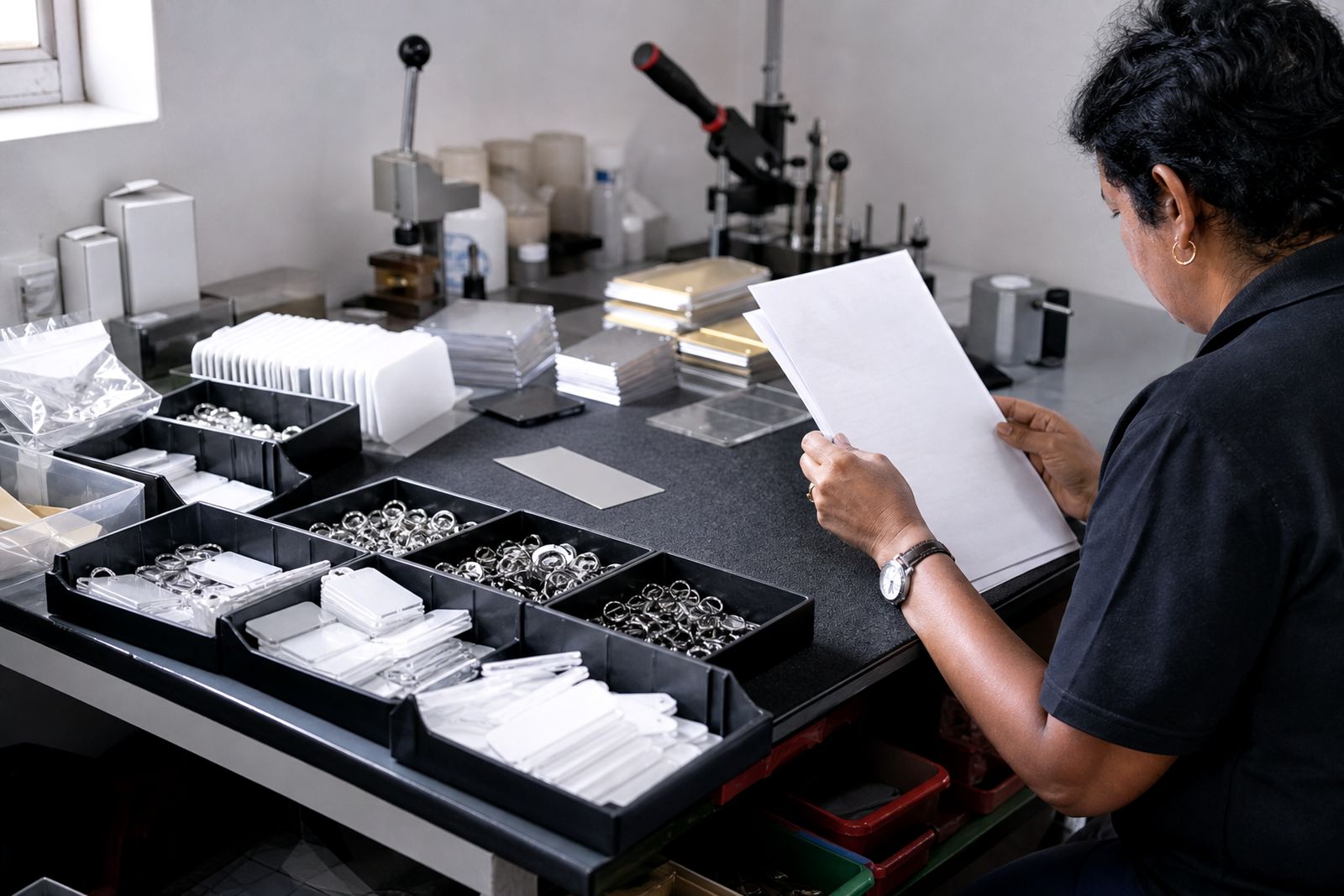
Ordering key tags and table numbers
Practical checks for smoother key tag and table number orders across Durban, KZN and South Africa.
Read moreWhat our badge and sign customers say
Verified Google reviews
Questions we get asked
What should I prepare before asking for a quote?
Send the item type, quantity, wording or numbering, preferred size if known, and where the items will be used. If they must match an existing set, include that note in your enquiry.
Can you help with mixed orders for one site?
Yes. Many organisations need badges, room signs, key tags and table numbers in one project. Grouping the list by area or function helps keep the order accurate.
Do the guides apply only to Durban orders?
No. The guides are useful for organisations across KwaZulu-Natal and wider South Africa, though they do include practical notes relevant to coastal conditions and local site use.
Ask for a quote
Send a note through the contact form with the items you need, the finish or material you prefer and your town, and Ken Bond will reply with a quote.
Open the contact form