

Ordering key tags and table numbers
A clear brief saves time and helps your order come out right first time. This guide covers the details to gather before you ask for key tags, keyrings or table numbers for your site.
Start with the job list
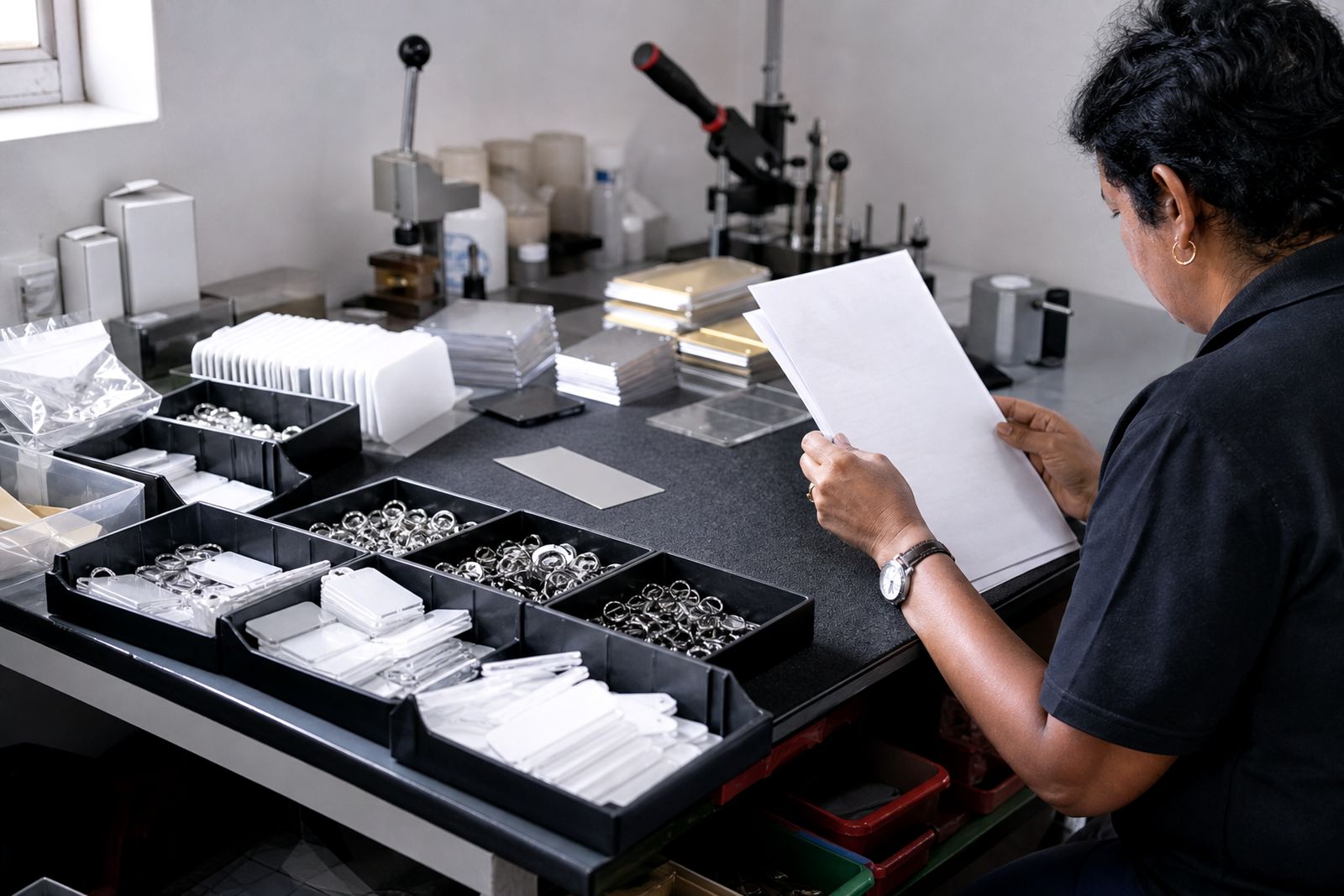
Before sending an enquiry, write down exactly what the items must do. Key tags are often used in guesthouses, schools, workshops, churches and office buildings where numbers need to stay clear after daily handling. Table numbers are common in restaurants, hotels, canteens and event spaces where staff and visitors must find the right place quickly.
Begin with a simple schedule. If the order includes more than one type, split them into groups. For example, room keys may need one format while storeroom keys need another. Restaurant table numbers may be one size for indoor use and another for a patio where wind and damp can affect lighter pieces.
- State whether you need key tags, keyrings, table numbers, or a mix of items.
- List each number, name or code required.
- Note the quantity per item, especially if some numbers need duplicates.
- Say where the items will be used: indoor, outdoor, near the coast, in kitchens, or in industrial areas.
- Mention any deadline tied to an opening, shutdown or room changeover.
Choose a numbering system that will still make sense later
A neat numbering system prevents confusion once new rooms, tables or keys are added. This matters in larger Durban properties and school campuses where sections are split by block, floor or department. A rushed numbering plan can cause rework later, especially when one site uses plain numbers and another uses room codes with letters.
Try to keep the format consistent. If table numbers run from 1 to 24, avoid changing halfway to names unless the venue already uses named sections. For keys, think about whether the number on the tag should match a door number, a cupboard code or an internal asset register. It sounds obvious but this is often where mix-ups start.
- Use leading zeros only if you need them, such as 01 to 12.
- Decide if letters are needed, such as B1, B2 and B3.
- Confirm whether both sides must show the same number or wording.
- For hotels or lodges, check room lists against housekeeping records before sending them.
- For schools and offices, confirm updated room names after any moves or partition changes.
Confirm size, shape and reading distance
Size affects how easily a number can be read and how well the item fits its use. A key tag needs to sit comfortably on a ring without becoming bulky in a pocket or bunch of keys. A table number must be visible from the aisle without taking too much room on the table. If a venue is dimly lit, or if tables are spread across a larger floor area, a taller format may be better.
Tell us if there are existing holders, hooks or racks that the new items must fit. For table numbers, mention whether they will stand on the table, slide into a holder or hang from a frame. For key tags, note if they need a drilled hole, slot or supplied ring. If you already use a standard size, include a photo with a ruler next to it. That small step avoids avoidable errors.
It also helps to mention who will read the numbers. Restaurant staff moving quickly during a busy service need clear, bold marking. Guests in a lodge may need a more polished finish, while a workshop may favour larger numbers that can be read at a glance even with dusty hands.
Pick materials for the working conditions
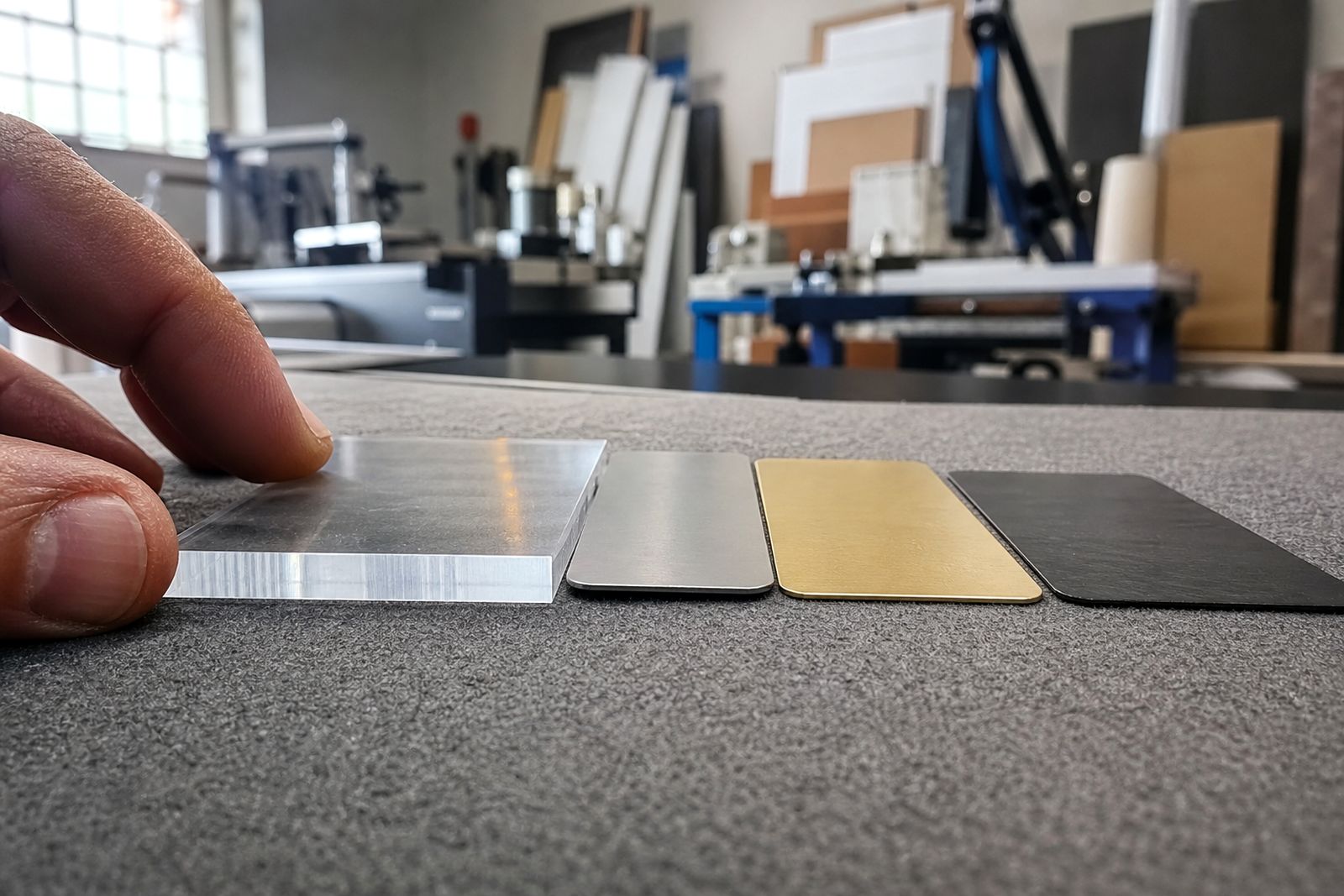
The right material depends on handling, moisture, cleaning methods and the general wear of the site. In coastal KwaZulu-Natal, humidity and salt in the air can affect some finishes over time, especially in open corridors or near the sea. Kitchens and bars may involve regular wiping, while factories can bring oil, dust or rough contact with tools and lockers.
For key tags, think about how often they are dropped, stacked or rubbed against other keys. For table numbers, consider whether they will be moved many times a day and whether they need frequent cleaning. If the site has power cuts and low light at times, stronger contrast between background and lettering can help staff work faster.
- Say if the items will be used indoors only or in semi-outdoor areas.
- Mention exposure to steam, grease, cleaning chemicals or direct sun.
- Specify if edges should be rounded for hand comfort.
- Ask for engraving, printed detail or a combination if your layout needs both.
- If colour coding matters, explain what each colour means, such as floor levels, departments or key sets.
Prepare artwork and wording properly
Good copy preparation saves approval time. Keep wording short and practical. Key tags usually work best with a number, short room name or simple code. Table numbers should be direct and easy to spot from a distance. If you need a logo or emblem, send a clean file and mention where it must appear. Do not rely on a screenshot if a proper artwork file is available.
Check spelling, spacing and capital letters before sending the list. This matters on room names, department names and branded venue areas. If the order includes both front and back engraving, write the layout clearly in two lines in your schedule. A neat table in a spreadsheet is often the easiest way to avoid confusion.
- Send one final approved list rather than several versions in separate messages.
- Mark special characters clearly if codes include slashes, hyphens or ampersands.
- State whether both sides are identical or different.
- Indicate font style preferences only if they are important to match existing items.
- If replacing older items, note what must stay the same and what can change.
Check fixing details, quantities and delivery arrangements
Small hardware details can delay an order if they are left out. For key tags, confirm whether you need rings, clips or tags only. For table numbers, confirm whether you need free-standing pieces, folded signs or inserts for your own holders. If items are going to more than one branch, separate the lists by site and label each carton clearly in the order notes.
Also think ahead about spares. For schools, hotels and restaurants it often helps to order a few extra common numbers or blanks for later changes. That can reduce repeat admin and help when one piece is lost or damaged. If your building has municipal or internal wayfinding rules, mention them early so numbering stays aligned across doors, counters and shared spaces.
When you are ready, send your enquiry through the contact page with the full list, use area and any reference photos. We can then check the specification and come back with the right questions before manufacture starts.
- Confirm total quantity and any extra spares required.
- List hardware needed for each item type.
- Separate delivery points in Durban, wider KwaZulu-Natal or other provinces.
- Include photos of existing items if you need a close match.
- Ask for a quote once the list and specification are complete.
What our badge and sign customers say
Verified Google reviews
Questions we get asked
What is the most important thing to send for a key tag order?
A complete numbered list is the main requirement. Include the wording for each tag, the quantity, whether both sides are the same, and whether rings or other fittings are needed.
How do I avoid mistakes on restaurant table numbers?
Send the final running order in one checked list and confirm the display method. It helps to note the reading distance, table layout and whether the numbers will stand on tables or fit into holders.
Can one order include several branches or buildings?
Yes. Split the schedule by site, floor or department and label each group clearly. This makes packing and delivery simpler and reduces the chance of mixed sets.
Ask for a quote
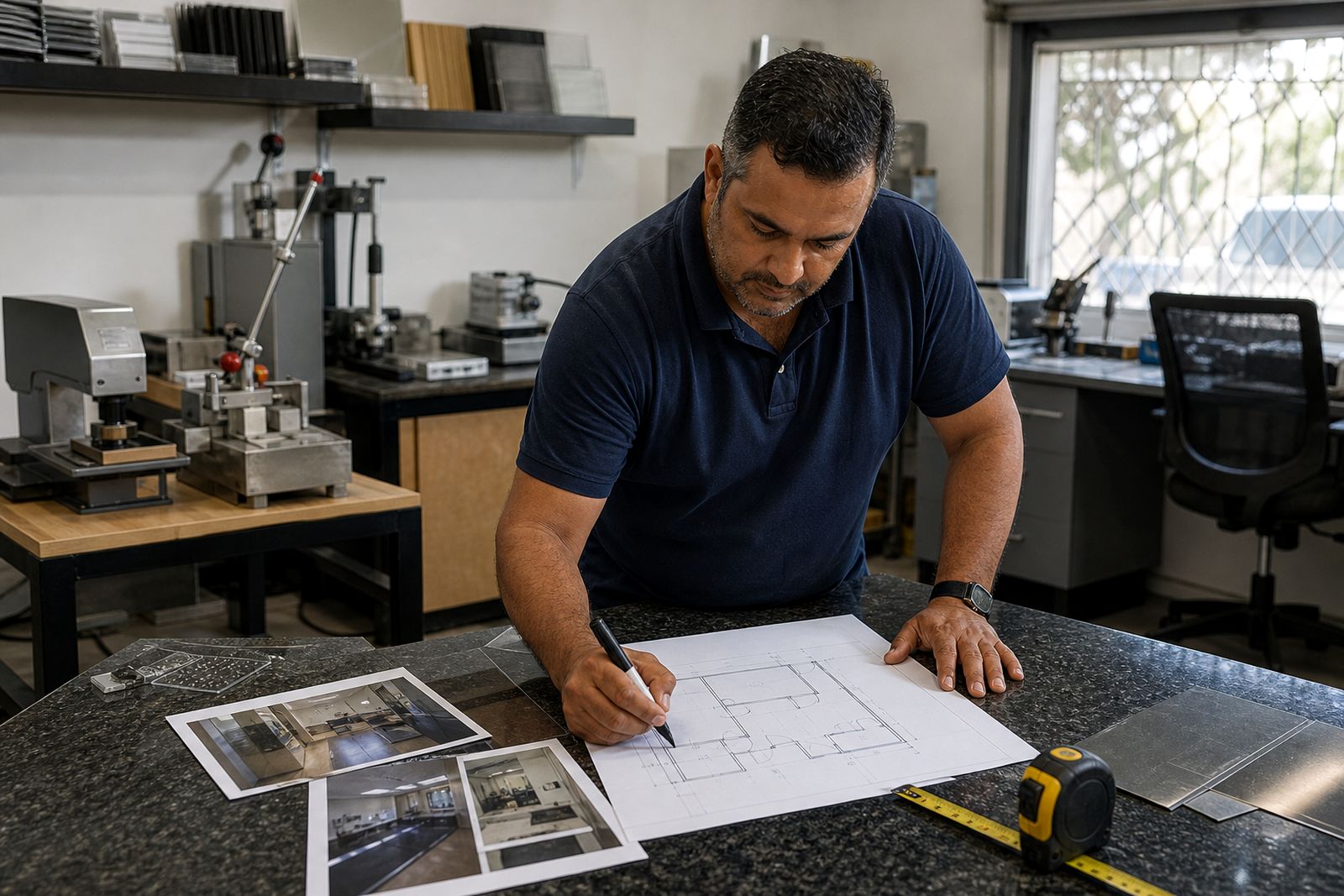
Send a note through the contact form with the items you need, the finish or material you prefer and your town, and Ken Bond will reply with a quote.
Open the contact form