

Door numbers and names
We make door numbers and name signs for everyday room marking in offices, lodges, schools and shared buildings. These markers help visitors, staff and contractors find the right room quickly and keep site identification neat and consistent.
What door numbers and names are used for
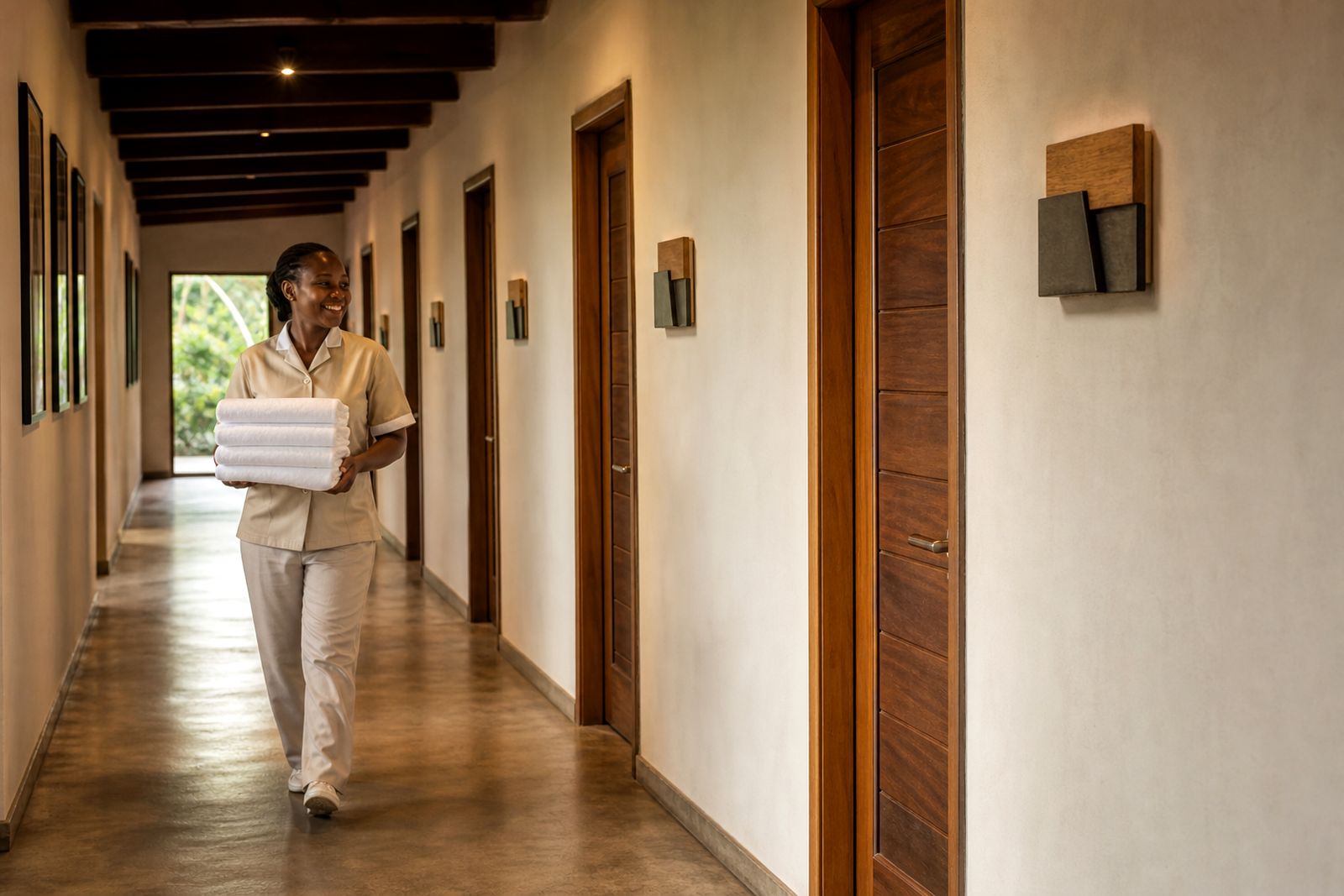
Door numbers and names are fixed room markers used on offices, classrooms, staff rooms, consulting rooms, guest rooms, meeting rooms and service areas. They can show a room number only, a room name only, or both together, depending on how your building is laid out. We supply practical signs for daily use where people need clear room identification without fuss.
These signs suit schools, admin buildings, churches, lodges, clinics, workshop offices and commercial premises. In Durban and wider KwaZulu-Natal, many sites also need materials that cope well with heat humidity and regular cleaning, so we guide you to a suitable option for indoor or sheltered outdoor positions.
- Office numbers and office names
- Classroom and department identifiers
- Lodge, guest room and unit numbers
- Boardroom, reception and meeting room signs
- Store room, staff room and service area markers
Sizes, formats and working limits
Most door markers are made in compact sizes that read clearly at close range. Common face sizes include 100 x 50 mm, 120 x 60 mm, 150 x 75 mm and 200 x 100 mm. Smaller signs are often enough for offices and classrooms, while lodges and larger corridors may need a bigger face so numbers stand out from a few metres away.
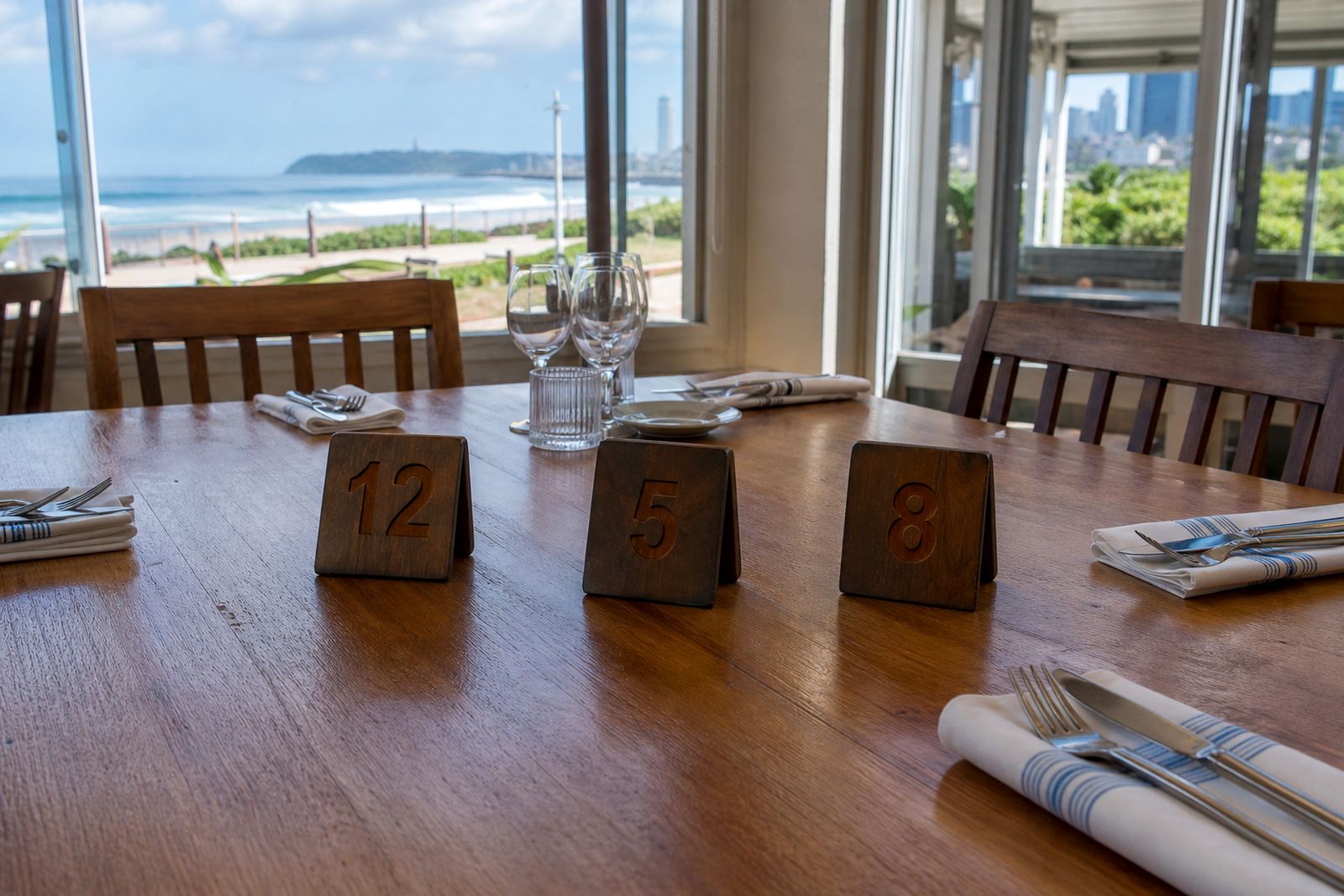
Formats can include a simple engraved plate, a layered sign with raised text, or a folded sign that projects slightly from the door frame or wall where a flat plate is not ideal. Text length affects the final size. A short room number like 12 or G07 fits easily on a small plate, but a long room name such as Finance and Procurement usually needs a larger sign to stay readable.
- Best for viewing distances of about 1 to 5 metres
- Long wording may require a larger plate or shorter wording
- Very small text is not suitable for public corridors
- Heavily exposed outdoor doors may need a different signage solution
Where changeable names are needed often, tell us early. A permanently engraved sign is neat and durable, but it is not the right choice if room holders change every few weeks.
Materials and where each option suits
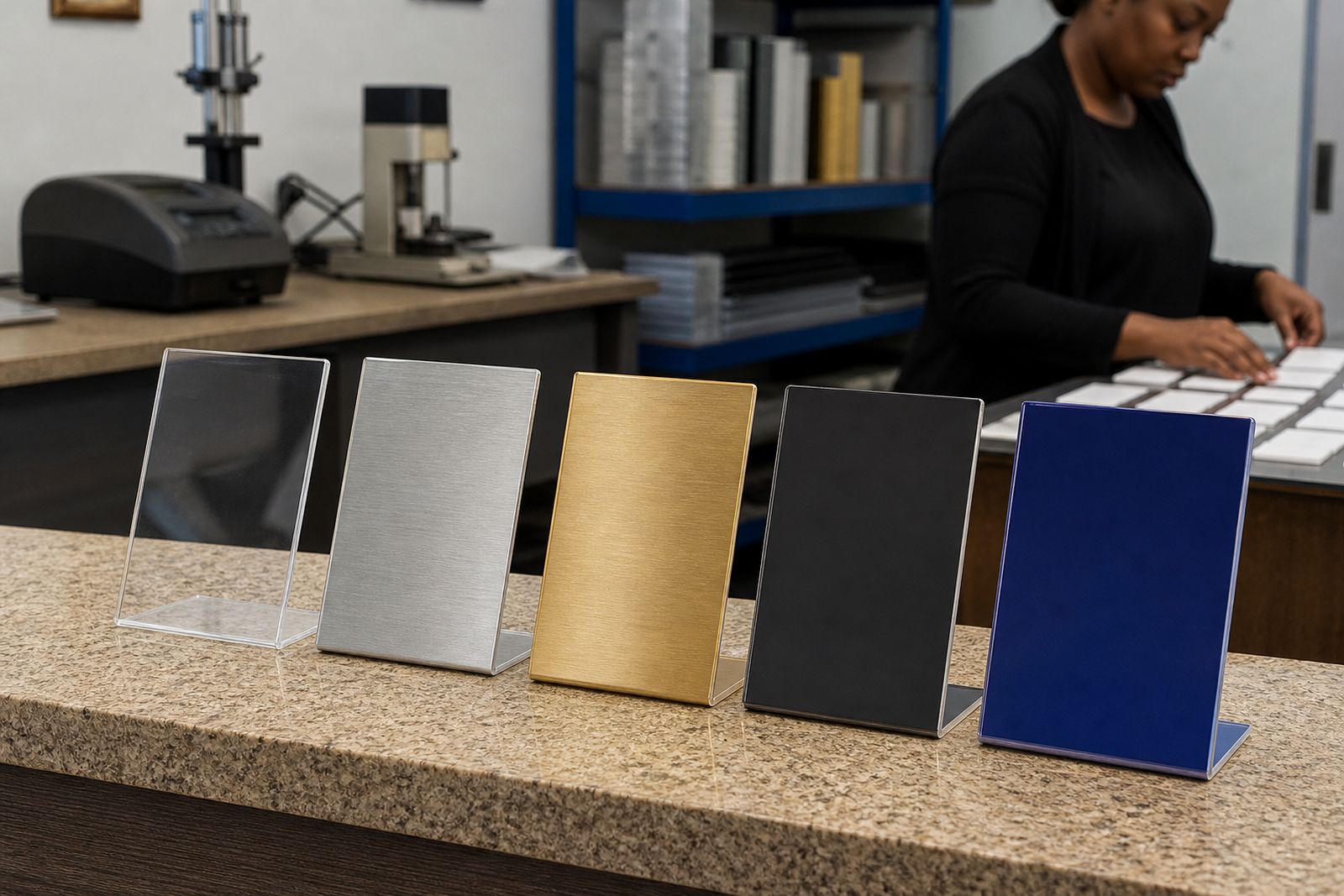
We offer practical sign materials chosen for indoor use, sheltered passages and normal commercial cleaning. Engraved laminate is a common choice for room numbers and names because it gives strong contrast and a tidy finish. Acrylic can be used where a cleaner appearance is wanted, and layered options work well for reception areas, churches and executive offices.
For schools and industrial sites, simpler hard-wearing markers are often the better fit. In hospitality settings, a more polished finish may suit guest room doors and common areas. Coastal humidity can affect adhesive performance and some finishes over time, so exposed entrances and washdown areas should be discussed when you enquire.
- Engraved laminate for clear, practical identification
- Acrylic options for a neater presentation finish
- Layered signs for selected office and hospitality areas
- Indoor and sheltered use is usually best
- Not ideal for rough masonry without proper mounting preparation
Installation and site requirements
Good room marking depends as much on placement as on the sign itself. Most door numbers and names are fitted at consistent height across a building so visitors can spot them quickly. Smooth sealed doors, painted timber, melamine and clean metal surfaces are usually straightforward for adhesive fixing. Uneven plaster, dusty walls, damp surfaces and flaking paint can cause problems if not prepared first.
If signs are going onto walls rather than doors, tell us whether the surface is brick, painted plaster, tile, glass or partition board. For larger signs or sites with frequent cleaning, mechanical fixing may be better than adhesive alone. On school campuses and busy lodges, keeping every sign in the same position helps with wayfinding and maintenance, it also gives the site a more orderly look.
- Tell us if signs go on doors, walls, glass or frames
- Advise if the area is indoors, under cover or exposed to weather
- Confirm if you want adhesive fixing or holes for screws
- Check wall surfaces are clean, dry and sound before fitting
Care and expected service conditions
Routine care is simple. Wipe with a soft damp cloth and mild cleaner, then dry the face. Avoid abrasive pads, strong solvents and scraping tools, especially on acrylic faces and engraved filled areas. In schools and industrial offices, signs last better when they are not knocked by trolleys, cleaning machines or moving furniture.
Indoor signs generally give the best service life. Covered outdoor walkways can work if the material and fixing method suit the conditions, but direct sun, wind-driven rain and constant washdown will shorten the life of some options. If your building has frequent power cuts and low corridor lighting at certain times, choose stronger contrast and slightly larger characters so the signs remain easy to read.
What to send with your enquiry
To quote properly and avoid delays, send a clear list of the rooms you need marked and tell us where the signs will be used. A simple schedule in room number order helps a lot. If you have a floor plan, corridor photo or sample of your current numbering style, include that as well.
We supply across Durban, KwaZulu-Natal and the rest of South Africa, so we can work from a room list and site notes even if you are ordering for multiple branches. If you are unsure on size, we can suggest a practical layout once we know the wording and mounting surface.
- Number of signs required
- Exact wording for each sign
- Preferred size if known
- Material or finish preference if known
- Indoor, sheltered outdoor or exposed location
- Door, wall or glass mounting surface
- Adhesive fixing or screw fixing requirement
- Any deadline linked to occupation, term start or room changes
What our badge and sign customers say
Verified Google reviews
Questions we get asked
Can you make a full set of room numbers for one building?
Yes. Send the full room list or numbering schedule and we can supply a matched set so the size, layout and finish stay consistent across the site.
Are these suitable for lodge and guest house room doors?
Yes, door numbers and names are commonly used for guest rooms and units. Tell us if the doors are exposed to coastal weather or regular washdown so we can suggest a suitable material and fixing method.
What if some rooms change names later?
That is possible, but it should be planned for upfront. If names may change often, mention that in your enquiry so we can suggest a format that is easier to update.
Also worth a look

Ask for a quote
Send a note through the contact form with the items you need, the finish or material you prefer and your town, and Ken Bond will reply with a quote.
Open the contact form