

Plaques
Ken Bond manufactures engraved plaques for room marking, recognition pieces and everyday display use. We supply practical made to order plaques in Durban, across KwaZulu-Natal and to organisations elsewhere in South Africa.
What these plaques are used for
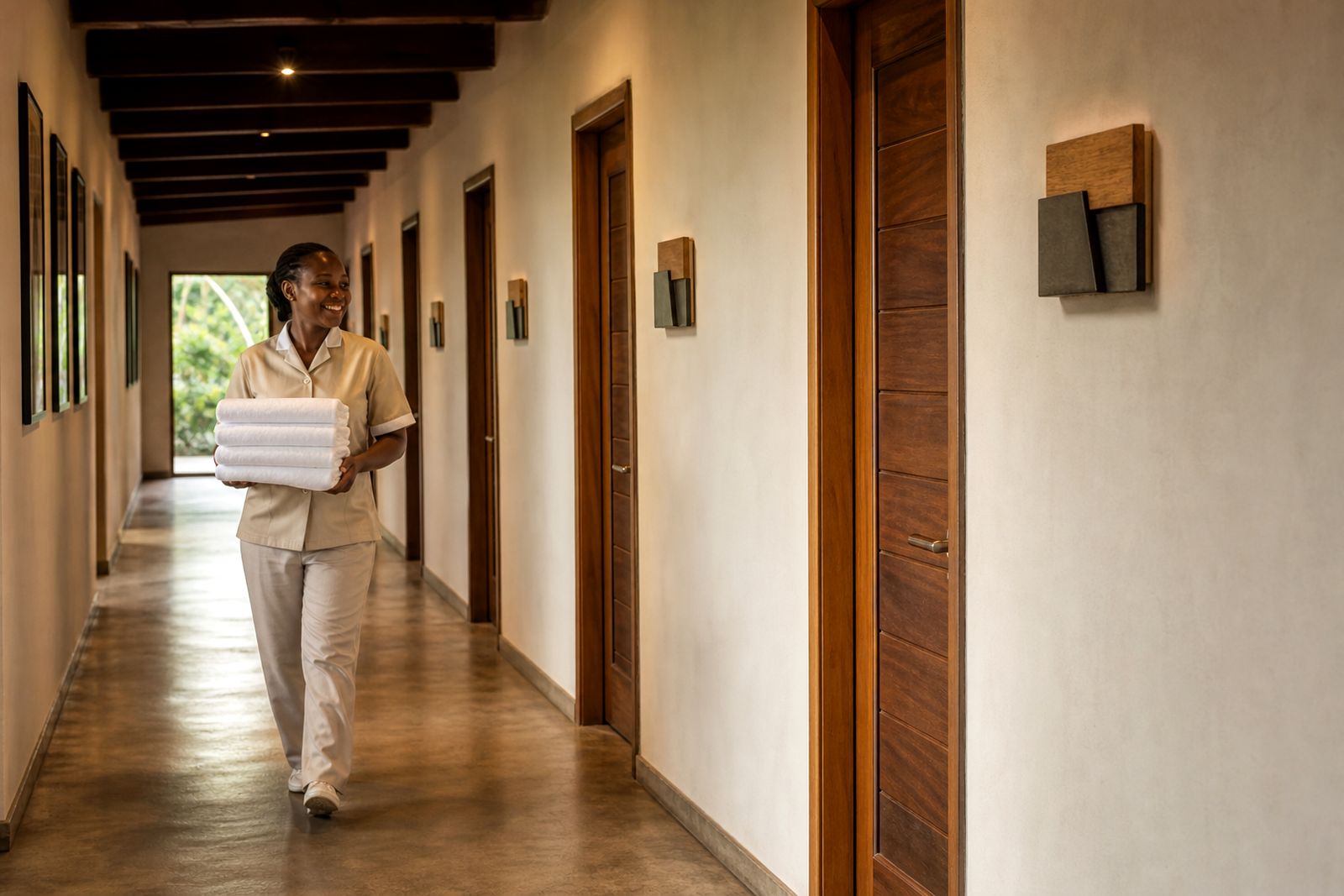
Our plaques are made for clear identification and neat presentation in schools, hotels, churches, offices, banks, restaurants and industrial sites. Some are used permanently on walls, doors or entrance areas, while others are made for presentation boards, donor recognition, memorial wording or internal room naming. The main aim is simple: readable text, clean edges and a finish that suits the space.
Most orders are for practical site marking rather than decorative pieces. That means we look at viewing distance, fixing method, indoor or covered outdoor position, and how often the plaque will be touched or cleaned. In coastal parts of KwaZulu-Natal this matters a lot because humidity and salt in the air can affect the choice of material and adhesive over time.
- Room name and room number plaques
- Recognition and appreciation plaques
- Wall mounted information plaques
- Memorial and dedication plaques
- Reception, foyer and corridor display plaques
- Plaques for schools, churches, hotels and offices
Materials, sizes and working limits
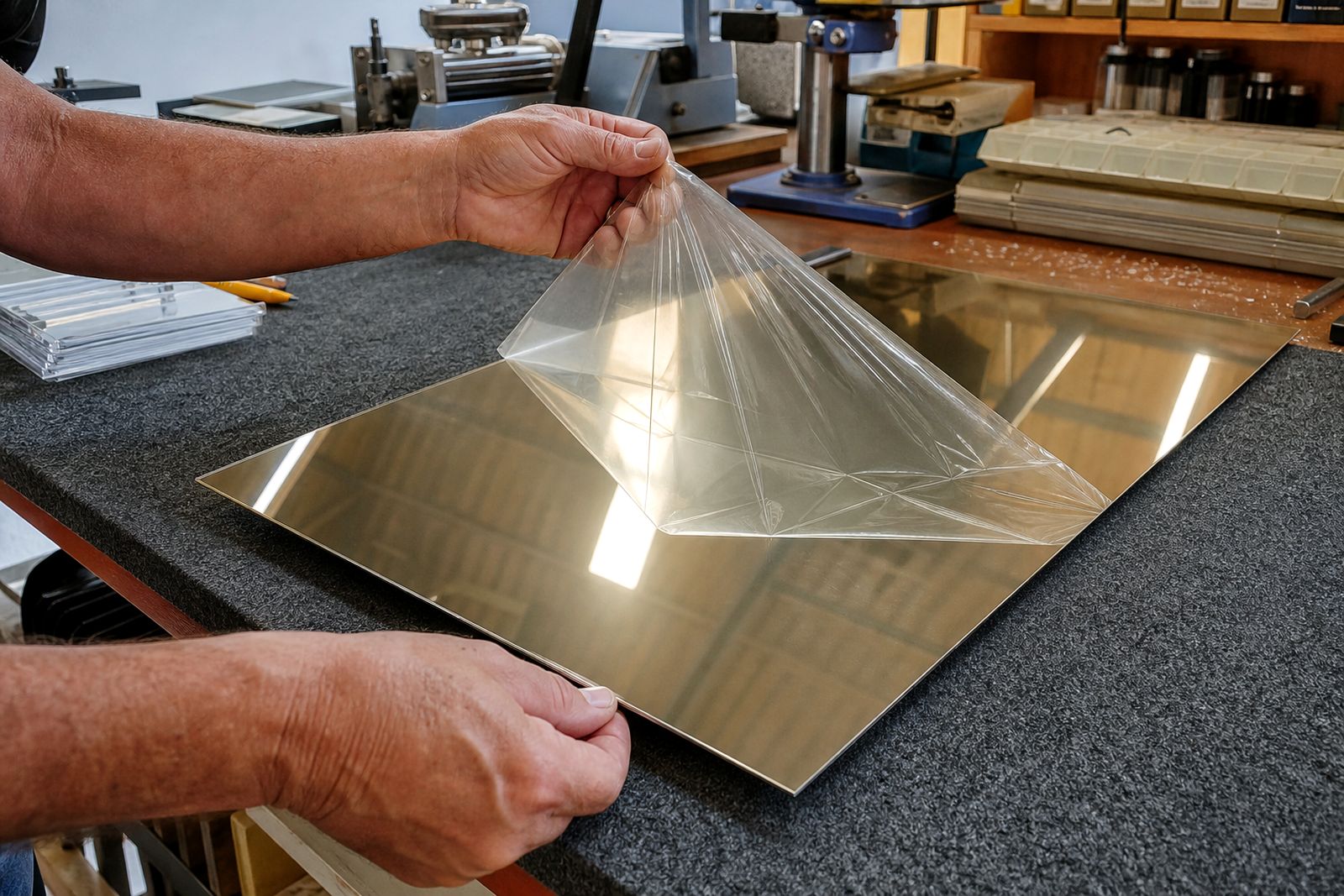
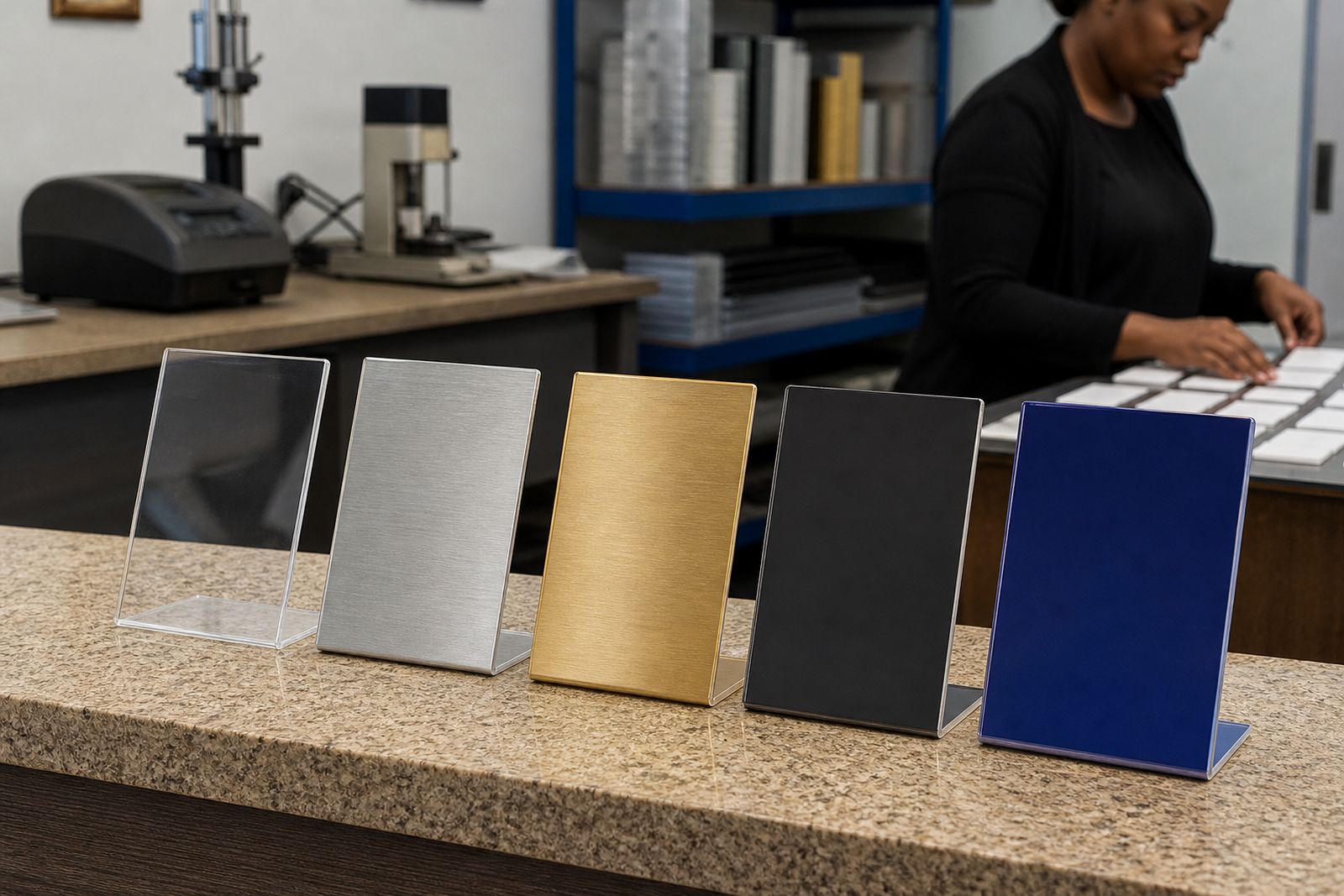
Plaques are usually made from engraving laminate, rigid plastic, acrylic or metal effect engraving stock, depending on the job. For straightforward room and building identification, engraved laminate is often the most practical option because it gives strong contrast and stands up well to regular handling. Acrylic can be used where a cleaner display look is needed, while other materials may suit a more formal recognition plaque.
Common sizes start small for door and room applications and move up to larger formats for wall display. A compact plaque may suit a single room name or number, while larger plaques can carry logos, longer wording and multiple lines. There are limits though. Very small plaques cannot carry too much wording and still stay readable, and very large plaques may need mechanical fixing rather than tape alone. If the wording is long, we may recommend a larger face size or a different layout so it does not look crowded.
- Small plaques for doors, cupboards and room labels
- Medium plaques for corridors, reception areas and notice positions
- Large plaques for dedications, donor walls and public display
- Square, rectangular and selected custom shapes
- Engraved text, numbering and simple logos where suitable
- Single items or batch runs for multi-room sites
Where plaques suit best and where they do not
Plaques suit locations where wording needs to stay fixed and easy to read over time. They work well for room names, directional references, commemorative wording and formal labels in schools, hospitality venues and office blocks. They also suit controlled indoor areas where appearance matters and where a sticker would not give the same lifespan or neat finish.
They are less suitable where information changes often, where the wall surface is very rough, or where there is constant direct weather without shelter. In those cases another type of sign may be better. Very busy service areas with hard knocks from trolleys or equipment can also need a thicker plaque or a different mounting method. If the plaque is going near washdown areas, boiler rooms or outdoor coastal positions, tell us early so we can guide the material choice properly.
Fixing methods and site requirements
Installation depends on the plaque size, weight, wall finish and location. Smaller indoor plaques are often supplied with strong backing tape for clean smooth surfaces. Larger plaques, or plaques going onto painted brick, plaster, timber or outdoor surfaces, may need screws, stand-off fixings or another mechanical method. A level, clean surface is important. Fresh paint must cure properly first or the bond can fail later.
When organisations are preparing a new block, a hotel passage or a school admin area, it helps to plan all room names and positions before manufacture starts. That reduces rework and keeps the set consistent. During power cuts some access control doors and lifts are affected, so if installation is part of a larger site programme let us know the site rules and access times in advance.
- Tell us if the plaque is for indoor, covered outdoor or exposed outdoor use
- Confirm the wall or door surface such as glass, painted wall, timber or brick
- Advise whether tape only, drilled holes or stand-off fixing is preferred
- Send a list of room names or wording in final spelling
- Share any logo artwork in a clear file format if branding is needed
- Measure the available space, including frame edges and handle clearance
Care and everyday maintenance
Routine care is straightforward. Wipe plaques with a soft damp cloth and a mild non-abrasive cleaner if needed. Avoid harsh solvents, scouring pads and strong chemical sprays, especially on acrylic and laminated faces. In hospitality and school settings where frequent cleaning happens, this makes a real difference to how long the face stays neat.
Outdoor or semi-outdoor plaques should be checked from time to time for dirt build-up around the edges and for any loosening of fixings. In coastal Durban conditions, salt residue can leave marks if it is left too long. A quick clean now and then usually keeps the plaque presentable. If a site expects frequent updates to names or departments, ask about matching replacement plaques so the set still looks uniform later on.
What to send with your enquiry
To quote and advise properly we need the basic job details up front. This includes the use of the plaque, the quantity, the wording, and where it will be installed. If you already have room lists, donor names, department names or recognition wording, send that in a clear typed list. It saves time and avoids spelling mistakes on final manufacture.
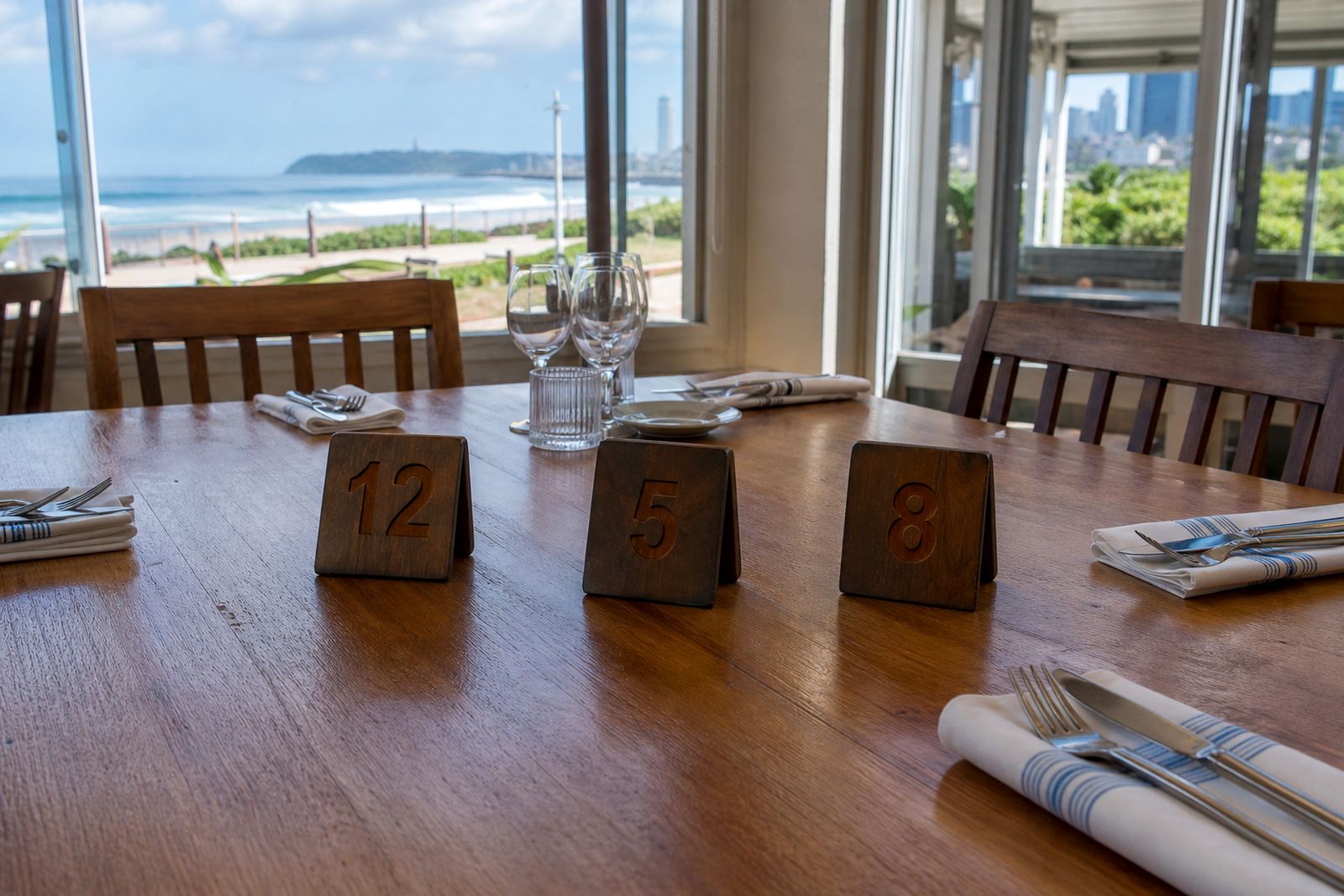
Please use the enquiry form on our contact page and include as much practical detail as you can. If the plaque is part of a wider sign set, mention the matching items as well, such as door numbers, table numbers or folded counter signs. That way we can keep sizes, fonts and finishes aligned across the order.
- Quantity required
- Approximate size needed or available mounting area
- Exact wording, numbering or room list
- Preferred material or finish if known
- Indoor or outdoor location
- Required fixing method
- Logo file if branding is needed
- Delivery town in KwaZulu-Natal or elsewhere in South Africa
What our badge and sign customers say
Verified Google reviews
Questions we get asked
Can you make one plaque only, or must it be a batch?
We can supply single plaques as well as larger sets for rooms, corridors or full sites. Batch orders are useful where you need matching sizes and wording across a building.
Are these plaques suitable for outdoor use?
Some are, but it depends on the material, fixing method and exposure. For exposed outdoor positions or coastal conditions, tell us the exact site so we can recommend the right option.
What is the best way to send room names or wording?
Send a typed list through the enquiry form, with final spelling and layout notes if needed. If there are many rooms or departments, a clear list helps us keep the full set consistent.
Also worth a look
Ask for a quote
Send a note through the contact form with the items you need, the finish or material you prefer and your town, and Ken Bond will reply with a quote.
Open the contact form